The Coffee Plant
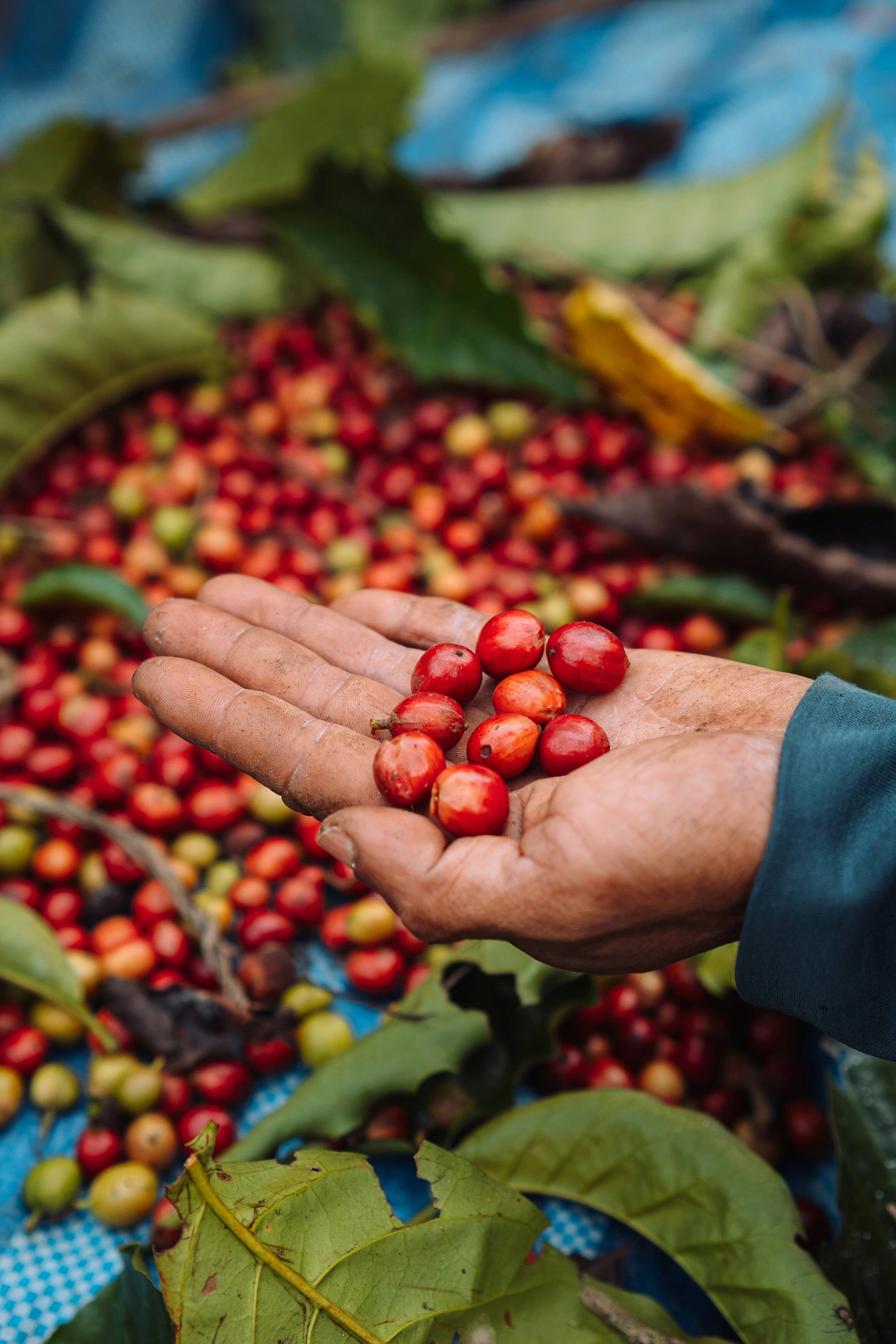
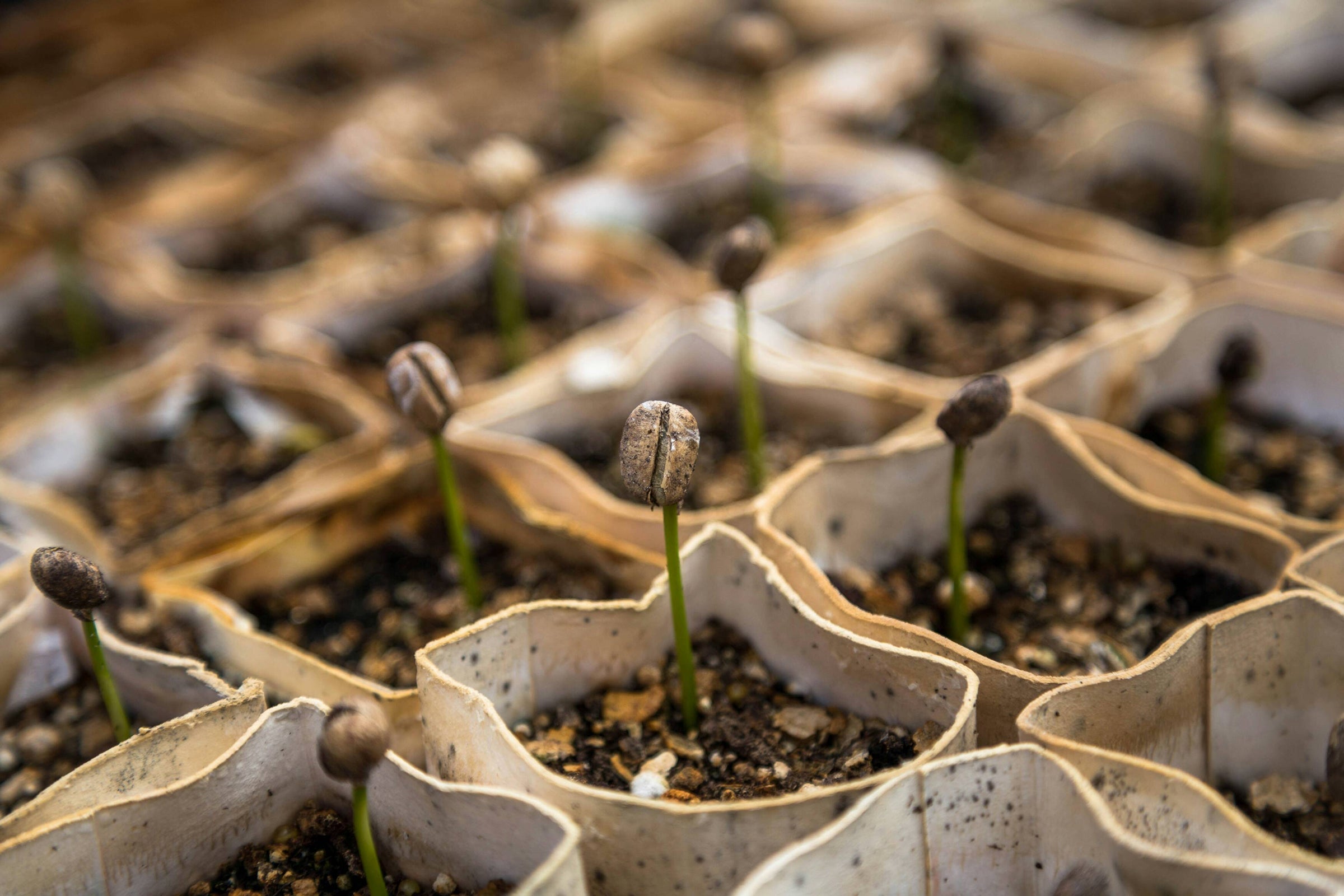
It all starts with a plant, and a legend dating back to the 9th century, in a region of Ethiopia called Kefa. A young shepherd named Kaldi noticed his goats behaving unusually lively after eating red cherries from a certain bush. Curious about the goats' behavior, Kaldi tried the cherries himself and immediately felt awakened and lively. The story goes on to say that Kaldi shared his discovery with a local monastery that went on to utilize the cherries, marking the beginning of a widespread appreciation for coffee.
Expansion of the Coffee Plant
The coffee plant is thought to have been taken to Southern Arabia and cultivated in the 15th century. The first coffee house also known as "Kaveh Kanes" was established in Aden, Yemen. As coffee began to gain popularity, it spread throughout the Middle East and eventually arrived in Europe through the Mediterranean trade routes.
By the late 17th Century, coffee houses were established in much of Western Europe, becoming centers of social activity and intellectual discourse. Coffee was then brought to the new world and by the 19th century, Brazil became the world's largest producer of coffee.
Now coffee is grown in regions known as the Coffee Bean Belt, which encompasses an area along the equator.
The belt includes Central and South America, Africa, the Middle East, and Southeast Asia.
Origins & Flavor Profiles
Central and South American: Coffees from this region are often full-bodied with chocolatey notes.
Africa: African coffees are known for their bright, fruity notes
Indonesia: Indonesian coffees are often full-bodied, rich, and may carry smokey, tobacco, wood, and leather notes with mild acidity.
Mexico: Mexican coffees often have chocolatey and nutty flavors, providing a smooth cup with a pleasant balance of sweetness and bitterness.
Harvesting & Processing the Cherries
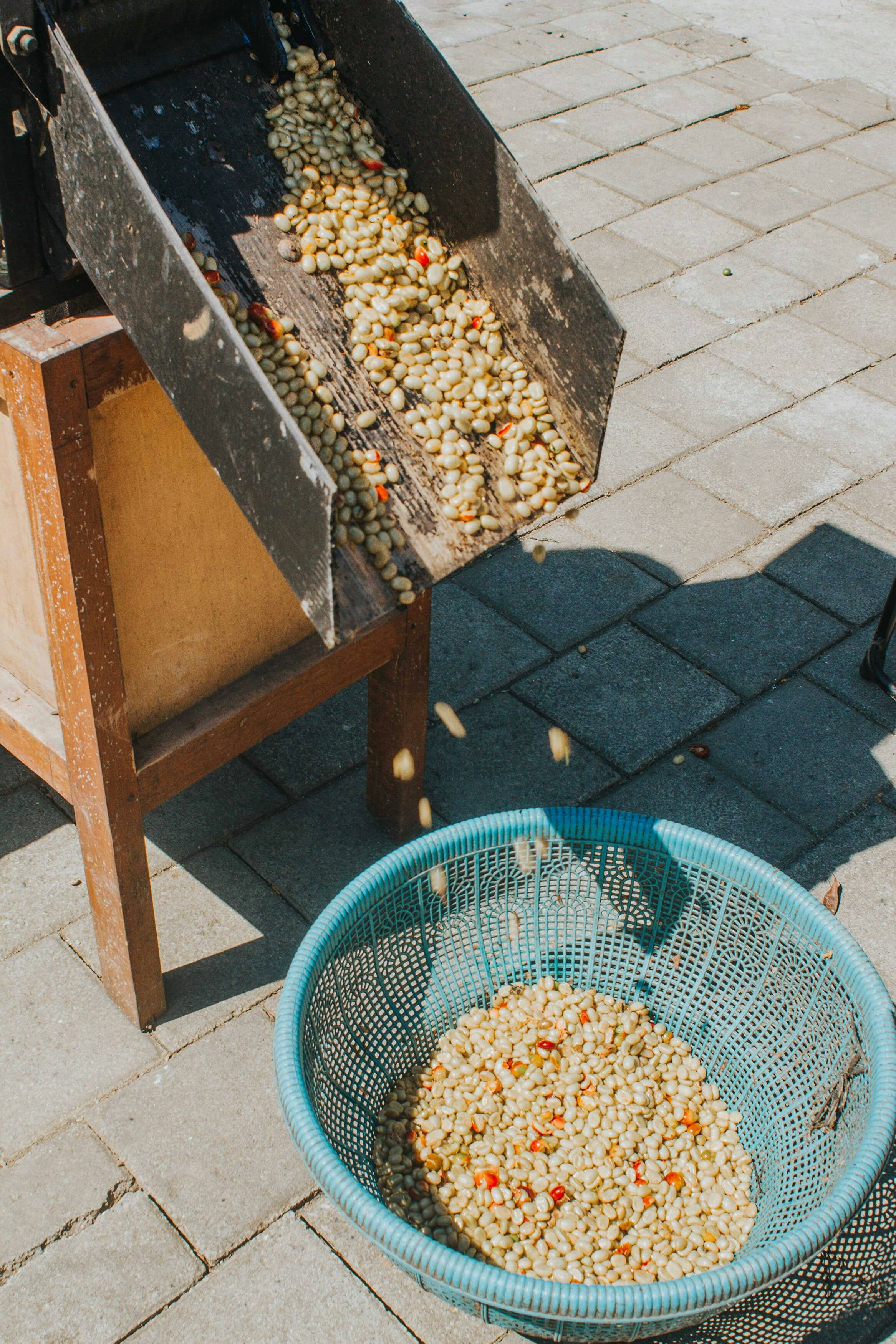
Harvesting of coffee cherries is done by handpicking or machine. Post-harvest, the cherries undergo one of two primary processing techniques. The Dry Method entails a natural process where cherries are evenly spread out to desiccate under the sun until they reach an optimal moisture content of 11%. The Wet Method incorporates a pulping phase where cherries are meticulously washed to remove the outer pulp, streamlining the beans for drying. Both methods preserve the integrity and flavor profile of the coffee beans.
After the beans are dried, they are left to ferment and develop in flavor. We then purchase the green beans and roast in our micro roastery.